5 Oct 2026
Tracing User Journeys Through Mobile Betting Data Patterns Across Europe
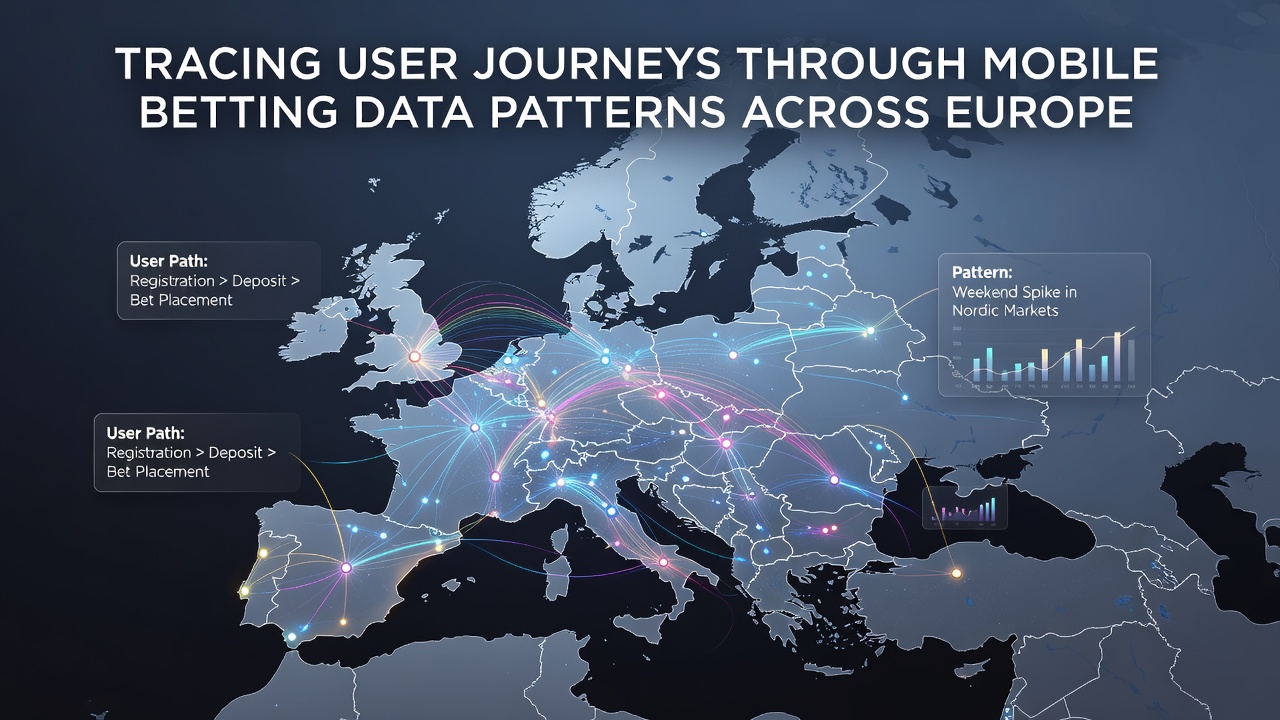
Analysts track user journeys in mobile betting through aggregated data sets that capture session starts, bet placements, deposit events, and logout patterns across multiple platforms. These sequences reveal how individuals move from initial app downloads through repeated engagement cycles, and researchers compile such information from anonymized logs supplied by operators in various European countries. Data collection often focuses on timestamps, device types, and geographic indicators that allow mapping of typical paths without identifying specific accounts.
Data Sources That Shape Journey Mapping
Operators gather information from in-app telemetry, payment processor records, and third-party analytics tools, while academic groups and market research firms compile broader overviews from public filings and industry surveys. One study released in early 2025 by a consortium of Nordic universities examined millions of sessions and found that users in Scandinavia frequently begin journeys with quick single-match bets before shifting to accumulator selections later in the evening. Similar patterns appear in Central European markets where afternoon sessions cluster around live event updates rather than pre-match planning.
Common Sequence Patterns Observed in 2025-2026
Sequence analysis shows many users follow a repeatable loop that starts with a push notification, moves to a five-to-eight-minute browsing phase, and ends with either a small stake or an exit without placing a wager. In October 2026 observers noted an uptick in multi-device handoffs, where individuals begin on smartphones during commutes and continue sessions on tablets once at home. These transitions leave detectable fingerprints in timestamp and IP data that analysts use to stitch together complete journeys across hardware boundaries.
Retention metrics further illustrate how early-stage behavior predicts longer-term activity. Users who complete three deposits within the first week maintain higher session frequencies six months later, according to aggregated figures shared at a 2025 industry conference in Berlin. Those who experiment with multiple bet types during their first ten interactions also demonstrate wider geographic spread in their activity, often accessing services while traveling between countries.
Regional Differences Across European Markets
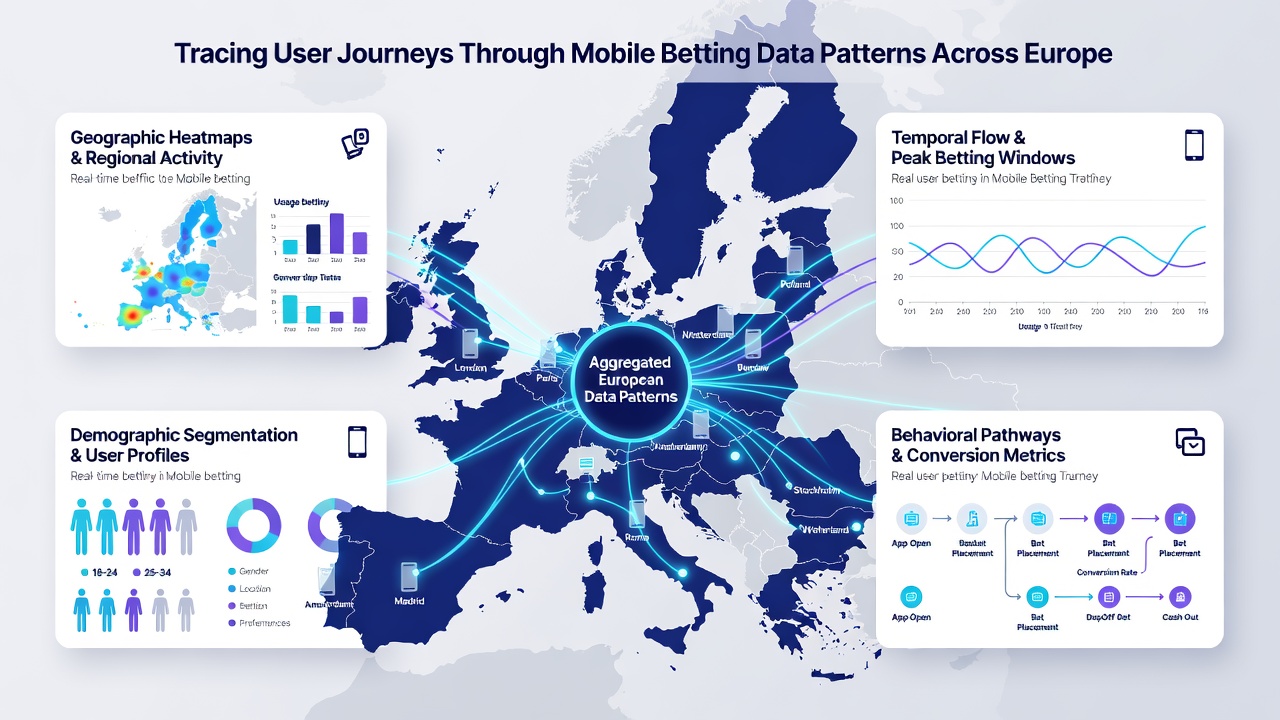
Northern markets display shorter average session lengths but higher frequency of returns, whereas Southern European data sets reveal longer evening engagement windows tied to major league schedules. Eastern regions show stronger growth in first-time deposits linked to promotional triggers, while Western markets record steadier organic repeat visits. Cross-border movement data indicates that travelers from one regulatory environment to another often maintain consistent betting volumes once they connect to familiar operator networks.
Payment method preferences also trace distinct journey branches. Users who rely on e-wallets complete deposits faster and move directly to live betting sections, while those using bank transfers spend additional time reviewing account balances before placing stakes. These behavioral forks appear consistently in data streams collected through 2026.
Analytical Tools and Visualization Techniques
Teams apply sequence mining algorithms and Sankey diagrams to convert raw event logs into visual journey maps. These representations highlight drop-off points after registration or after a losing streak, allowing operators to identify friction without accessing individual records. Machine learning models trained on historical European data sets now forecast the probability that a new user will reach a second deposit within fourteen days, based solely on the first three interactions.
Privacy-preserving techniques such as differential privacy and federated learning have gained traction, enabling collaborative analysis across borders while limiting exposure of raw user information. Reports from the OECD digital economy series describe how such methods support cross-national comparisons of engagement metrics without compromising compliance standards.
Future Directions in Journey Tracking
By October 2026 several platforms had begun integrating real-time location signals with betting activity to refine journey predictions during major sporting events. This approach connects stadium proximity data with app usage spikes, revealing new patterns in impulse betting behavior. Continued refinement of these models depends on access to high-quality, anonymized data streams that respect varying national frameworks across the continent.
Conclusion
Tracing user journeys through mobile betting data patterns supplies operators and researchers with measurable insights into engagement flows, regional distinctions, and technological enablers. The combination of sequence analysis, cross-device tracking, and privacy-aware methods continues to evolve as European markets mature through 2026 and beyond.