21 Sep 2026
Mapping Regulatory Impacts on Portable Wagering Platforms Across Europe
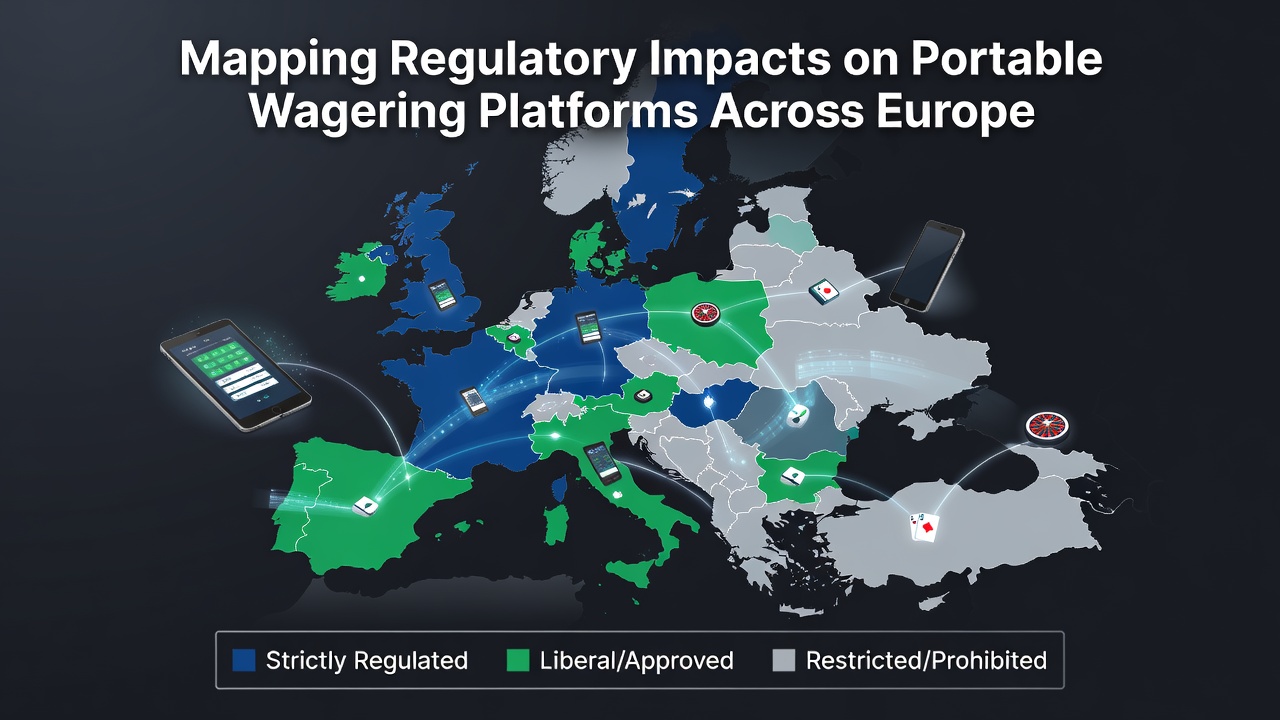
Portable wagering platforms face a patchwork of national rules that shape licensing requirements, tax structures, and technical standards while operators adapt their mobile applications to meet varying compliance demands across the continent. Data from industry reports shows that these regulations influence everything from user verification processes to payment integrations, and they continue to evolve as governments refine their approaches to online gambling activities.
National Licensing Systems and Their Reach
Germany introduced its Interstate Treaty on Gambling in 2021, which established a centralized licensing system that covers sports betting and certain casino products delivered through mobile channels, and operators must secure approval from the Gemeinsame Glücksspielbehörde der Länder before launching apps that accept deposits from German users. France maintains its regulatory oversight through the Autorité Nationale des Jeux, where mobile platforms require specific authorization that includes strict controls on advertising and responsible gaming features, while Italy operates under the Agenzia delle Dogane e dei Monopoli with rules that mandate localized servers and Italian-language interfaces for portable betting services.
Spain's Dirección General de Ordenación del Juego requires operators to hold regional or national licenses that extend to mobile formats, and these licenses impose advertising restrictions along with mandatory contributions to responsible gaming programs. Observers note that each system demands separate technical audits and ongoing reporting, which raises operational costs for platforms that seek multi-country coverage yet allows compliant operators to build user bases within clearly defined legal boundaries.
Technical and Data Compliance Pressures
Portable platforms must integrate geolocation tools and age verification systems that align with local statutes, and many jurisdictions now require real-time monitoring of betting patterns to detect problematic activity. The General Data Protection Regulation adds another layer since operators collect personal and financial data through mobile apps, which forces companies to implement encryption standards and obtain explicit user consent for data processing across borders.
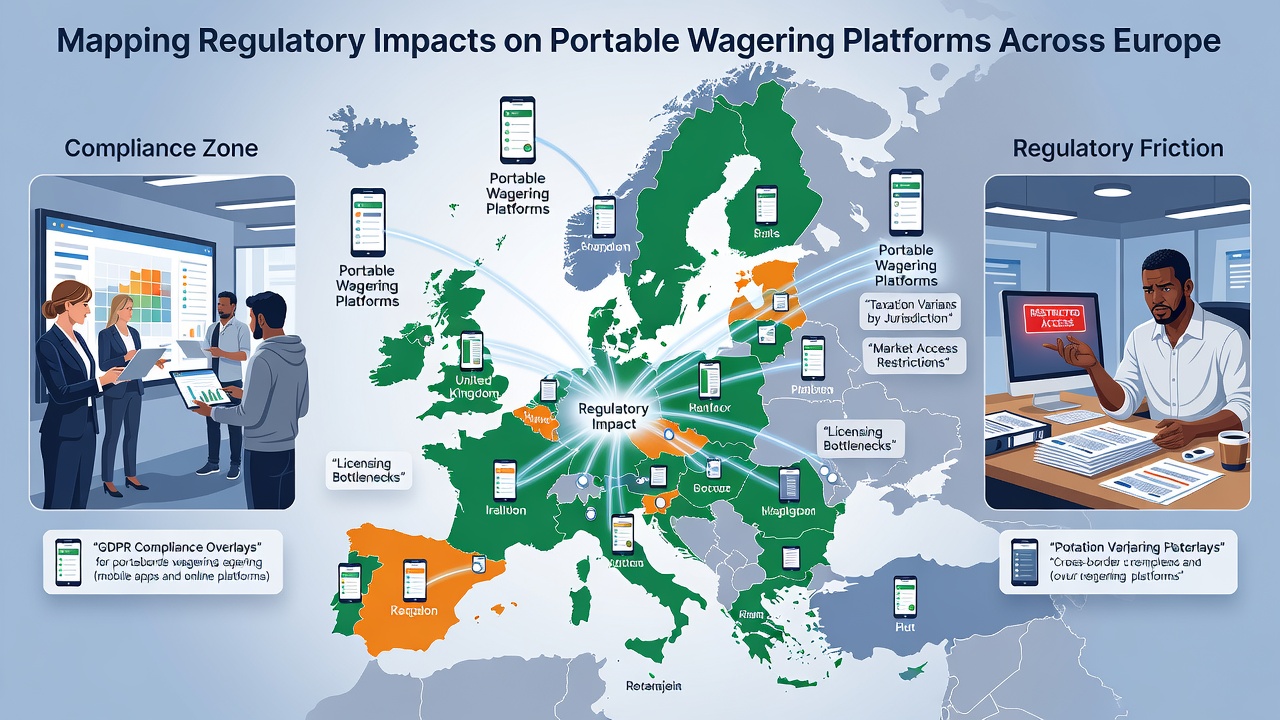
Researchers at the European University Institute have documented how these technical mandates affect smaller developers who struggle to maintain separate code branches for each regulated market, whereas larger firms absorb the expenses through dedicated compliance teams. Payment service providers also face scrutiny when processing transactions for mobile wagering, and several countries require operators to partner only with licensed financial institutions that can trace funds back to verified accounts.
Taxation Models and Market Access
Tax rates on gross gaming revenue vary significantly, with some nations applying rates above 20 percent while others use lower thresholds combined with licensing fees. These differences influence where operators choose to base their mobile infrastructure and how they price promotions for users in high-tax jurisdictions. According to figures published by the European Gaming and Betting Association, mobile channels now account for the majority of regulated betting volume in several member states, which means tax policies directly affect platform profitability and investment decisions.
Market access often depends on whether a platform can demonstrate compliance with local responsible gaming standards, and operators that fail to meet these benchmarks risk license revocation or fines that scale with revenue. Those who have studied cross-border operations know that partnerships with local entities sometimes provide faster entry but require revenue sharing arrangements that reduce margins.
Developments Expected in September 2026
Regulatory bodies in multiple countries have signaled that updated technical standards for mobile platforms will take effect in September 2026, including enhanced requirements for real-time transaction reporting and integration with national self-exclusion databases. These changes aim to close gaps in enforcement that have appeared as portable devices become the primary access point for regulated wagering. Industry associations report that operators are already conducting system upgrades to avoid service interruptions once the new rules activate.
Coordination efforts at the European level continue through working groups that examine how national rules interact with single-market principles, and these discussions may lead to greater harmonization of certain compliance elements without replacing member-state authority over licensing. Data indicates that platforms operating in more than three countries currently spend a substantial portion of their development budgets on regulatory adaptation, a trend expected to persist even after the September 2026 updates.
Conclusion
The regulatory environment for portable wagering platforms across Europe continues to influence product design, market entry strategies, and ongoing operational expenses as each jurisdiction maintains distinct licensing and compliance frameworks. Operators that track these rules closely can position themselves to serve users legally while meeting technical and financial obligations that differ from one country to the next. As implementation dates approach in 2026, the sector will likely see further adjustments that test the adaptability of mobile systems and the resources allocated to regulatory alignment.