16 Nov 2026
Innovations Driving Real-Time Odds Adjustments in Cross-Platform Wagering Apps
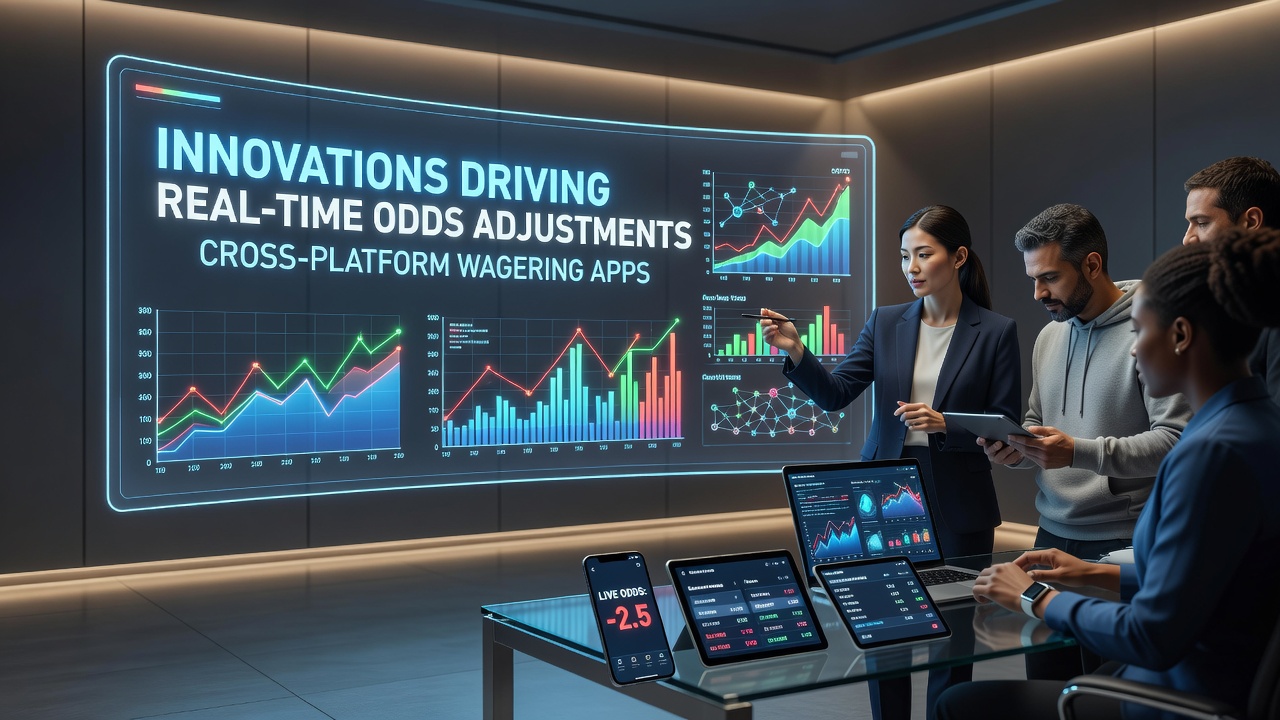
Data from multiple jurisdictions shows that cross-platform wagering apps now rely on layered machine learning models to recalculate odds within milliseconds of incoming event data, and developers integrate these systems with synchronized databases that span mobile, desktop, and kiosk interfaces simultaneously.
Core Technologies Behind Instant Odds Recalculation
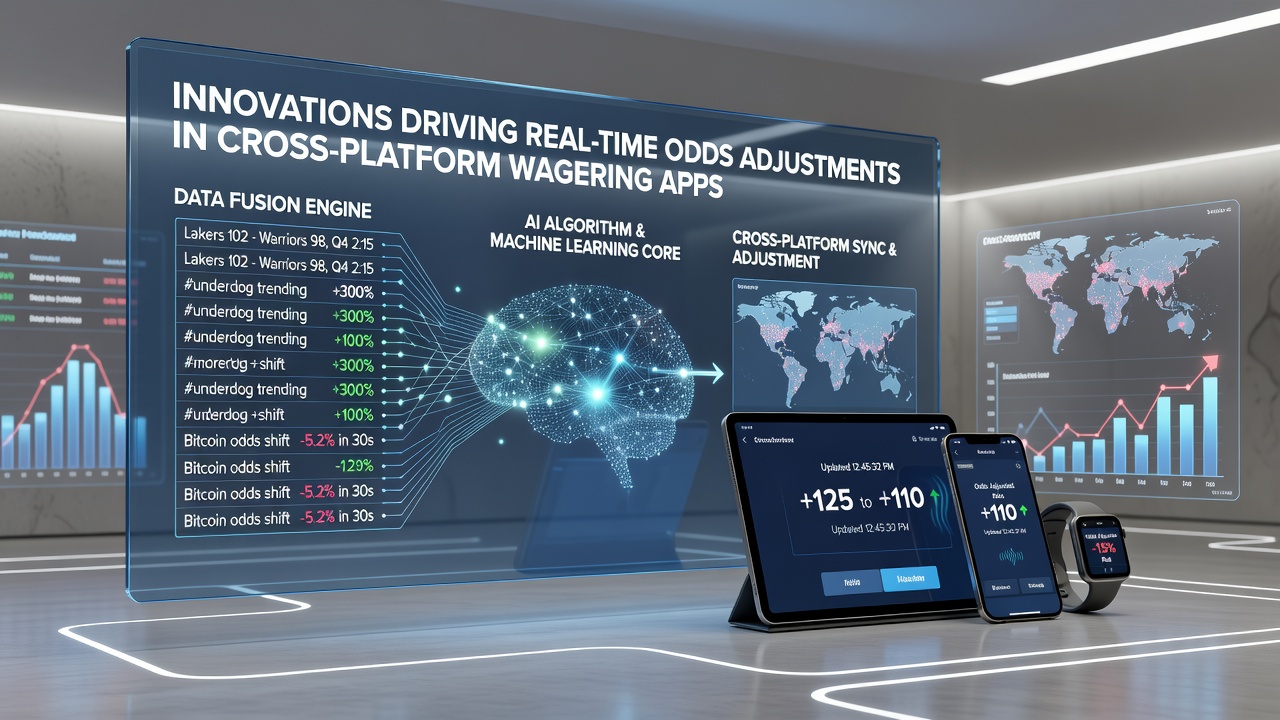
Artificial intelligence frameworks process streams from sports data providers, weather sensors, and player behavior logs, while graph databases track correlations between variables such as team injuries and betting volumes across different markets. Researchers at institutions studying computational gaming note that these models update probability distributions continuously rather than at fixed intervals, which allows odds to shift in response to micro-events like a single pitch in baseball or a substitution in soccer.
Cloud-native architectures distribute the computational load across regional servers so latency stays below 200 milliseconds for users in separate time zones, and container orchestration tools automatically scale resources during peak events such as championship matches. Observers report that companies deploying these setups achieve consistent synchronization between platforms because each instance pulls from the same authoritative data feed rather than maintaining separate caches.
API Ecosystems Enabling Seamless Cross-Platform Sync
Standardized application programming interfaces connect wagering engines to external data sources and internal risk management modules, allowing a single odds adjustment to propagate across every connected device within seconds. Industry reports indicate that many operators now use event-driven architectures where message queues handle thousands of simultaneous updates without queuing delays, and this approach supports regulatory requirements for audit trails because every change receives a timestamp and source identifier.
Regulatory and Security Considerations in Live Adjustments
Government agencies in North America and Australia have issued guidelines requiring real-time systems to maintain logs that regulators can query on demand, and these rules influence how platforms implement encryption and access controls for the underlying algorithms. In November 2026 several licensing bodies plan to expand testing protocols for algorithmic fairness, which means operators must demonstrate that their adjustment engines do not create unintended market distortions during rapid market shifts.
Security teams embed anomaly detection layers that flag unusual betting patterns before they influence the main odds engine, and these safeguards operate alongside the primary adjustment logic rather than as an afterthought. Data indicates that platforms incorporating such dual-layer monitoring reduce the incidence of suspicious market movements while preserving the speed required for live events.
Case Examples from Operational Deployments
One operator serving multiple European and Asian markets integrated edge computing nodes near major sports venues to shorten the path between raw event data and odds publication, resulting in measurable reductions in the time between a goal and the corresponding odds shift. Another firm in Canada adopted federated learning techniques so that models improve from aggregated user data without centralizing sensitive information, and this method complies with privacy statutes while still delivering more accurate probability estimates during live matches.
Trade associations tracking these deployments report that companies combining on-device preprocessing with centralized validation achieve both speed and consistency across device types, and the same organizations note that hardware improvements in mobile chipsets further support local calculations that feed back into the shared system.
Future Technical Pathways
Developers explore quantum-resistant encryption methods to protect the integrity of real-time feeds, and early tests suggest these protocols can operate without adding measurable latency. Research groups continue to examine reinforcement learning variants that adapt odds models based on long-term market stability metrics rather than short-term volume alone, and preliminary findings indicate potential improvements in risk distribution across user segments.
Those studying the sector observe that integration with augmented reality interfaces may soon require even tighter synchronization standards, because visual overlays must reflect the latest odds without perceptible lag. Academic papers from computational finance and gaming labs document ongoing experiments that apply similar real-time adjustment techniques to non-sports verticals such as esports and virtual simulations.
Conclusion
The combination of advanced analytics, resilient infrastructure, and coordinated regulatory frameworks continues to shape how cross-platform wagering applications manage live odds, and the documented progress through 2026 points toward further refinement of these interconnected systems. External sources such as the American Gaming Association research library and reports from the Australian Gambling Research Centre provide additional detail on measured outcomes from these innovations.